
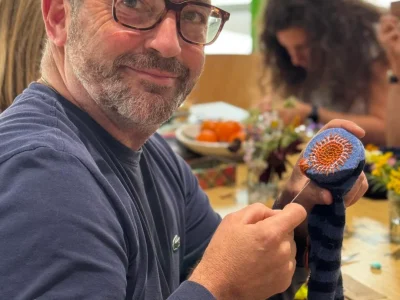
What is it with visible mending that mostly all of my classes are women?! These guys loved my firework repair style – once they all paid attention 🙂
Can you believe they were going to throw these socks away because they had worn thin… zero waste in my classes. We even save the cuttings of wool 🧶
History
From wartime necessity to colourful visible mending, Britain has a fascinating history of men keeping their socks in circulation.
Why are so many visible mending classes attended by women? Men wear socks too! And Britain’s history reveals that men have always had good reason to repair them.
In the 1700s, the clothing of a man discovered in a Scottish peat bog, known as Gunnister Man, included woollen stockings with substantial repairs to the soles. His clothes tell a story of resourcefulness: when garments wore out, people patched them rather than throwing them away.
Fast-forward to the First World War, when socks became essential supplies for British servicemen. Soldiers marched through mud and rain, wearing out their socks at an alarming rate. Letters preserved by the Wiltshire and Swindon History Centre reveal requests for socks and even darning wool. Some men were attempting repairs with whatever materials they could find. A little wool sent from home could make a real difference.
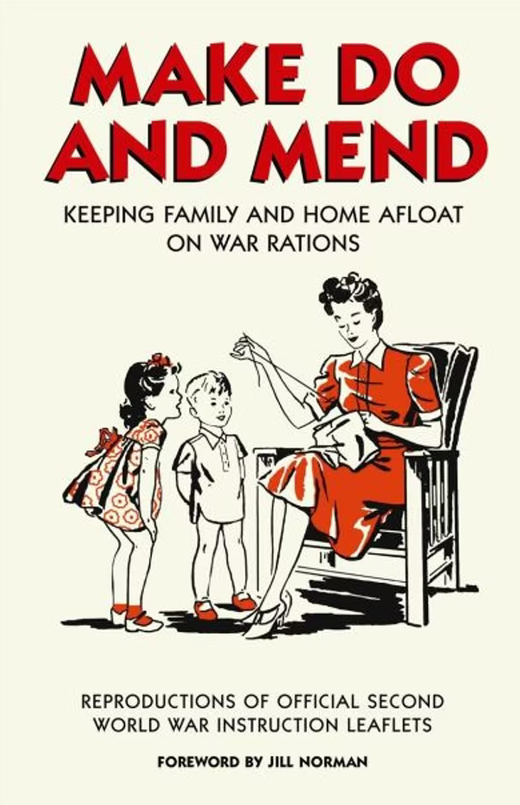
During the Second World War, Britain’s famous Make Do and Mend campaign encouraged households to repair and reuse clothing. Darning became an everyday necessity, although the responsibility for maintaining the family’s clothes often fell to women. Perhaps this is why mending became so closely associated with them, despite men depending on those repairs just as much.
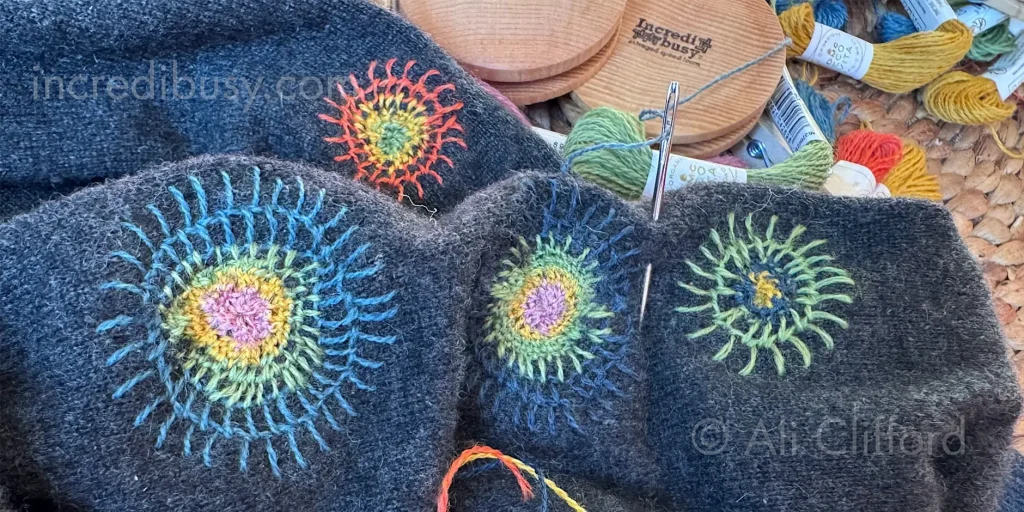
Traditional darning aimed to hide the damage, using matching wool to rebuild worn fabric. Today, visible mending turns that idea around: repairs can be bold, colourful and proudly displayed.
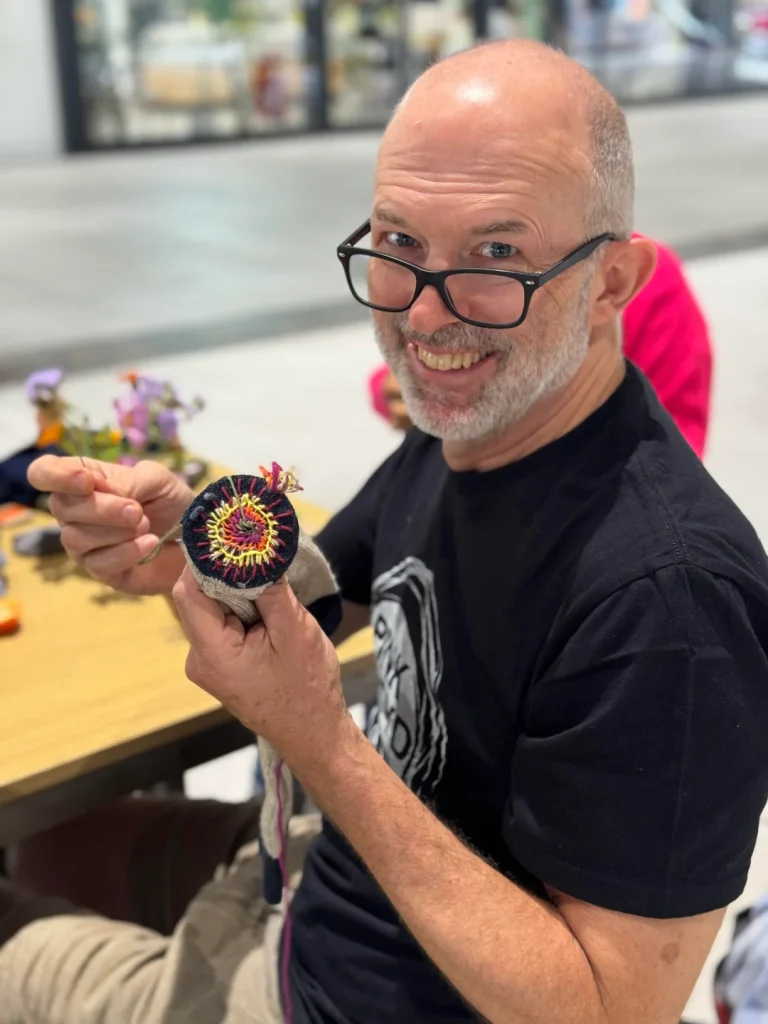
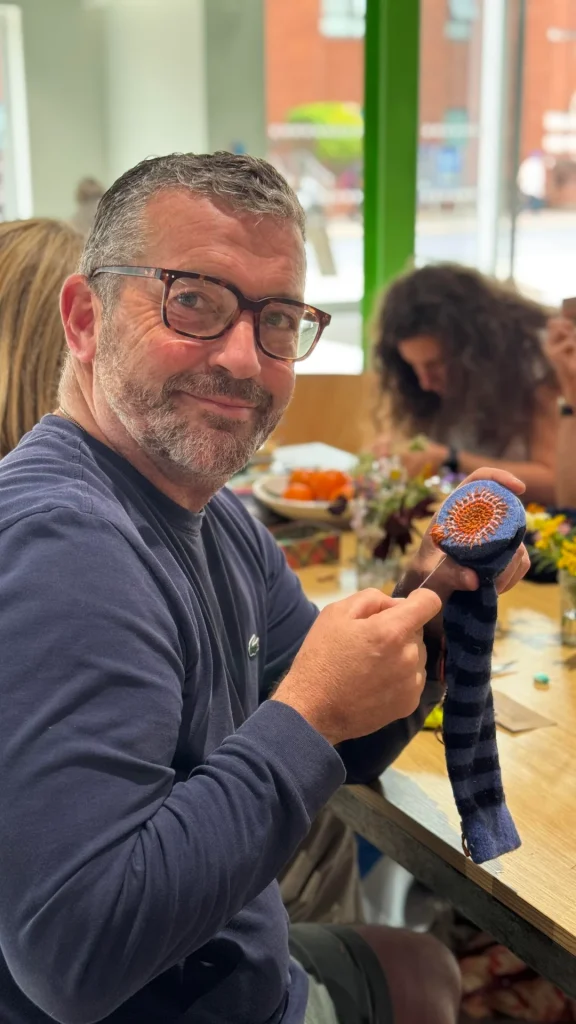
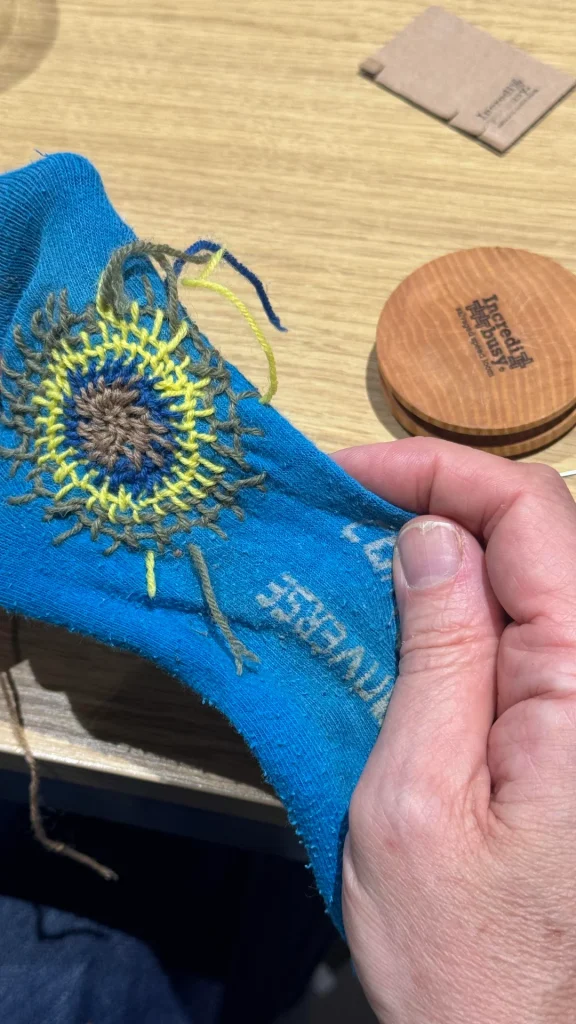
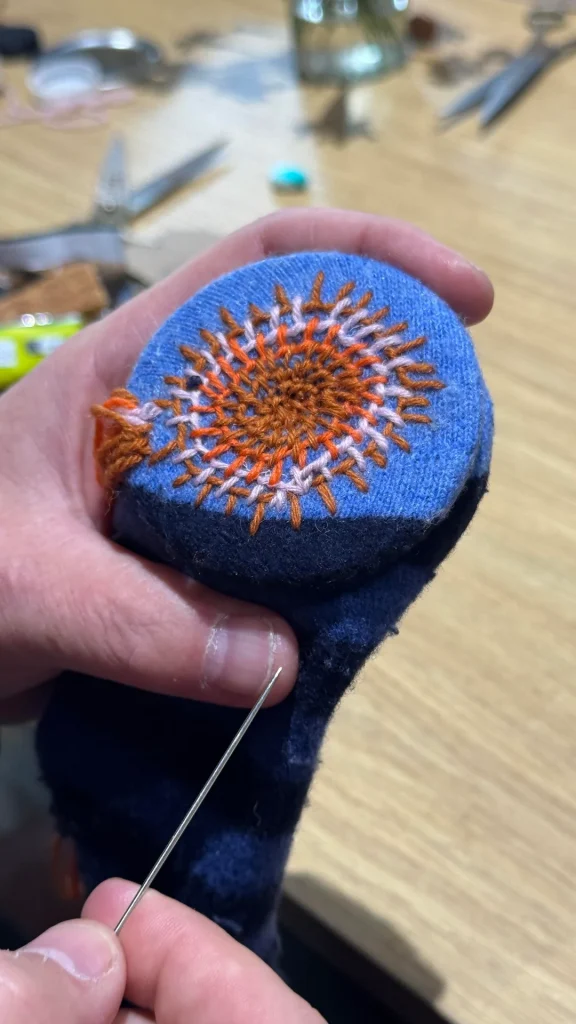
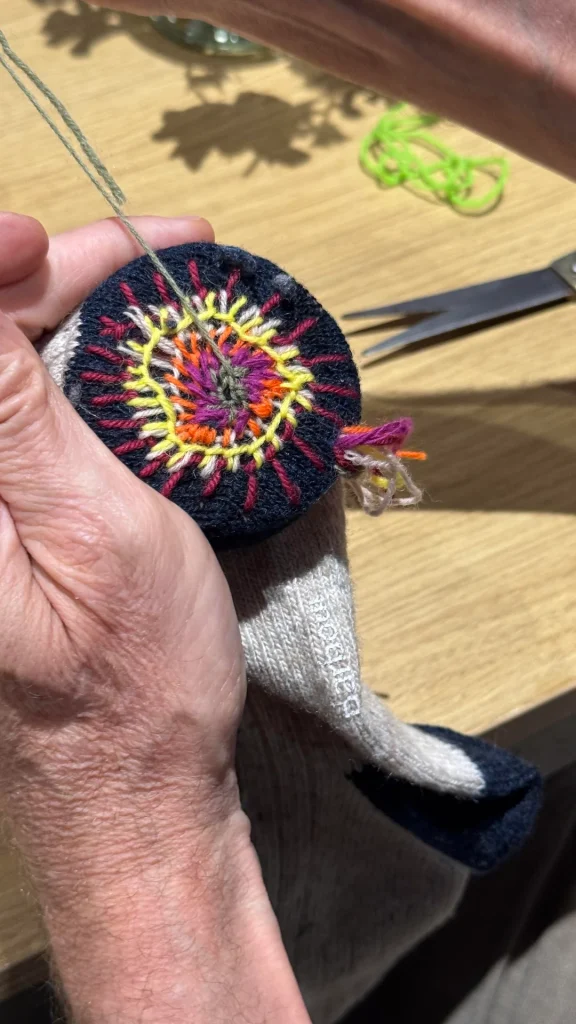
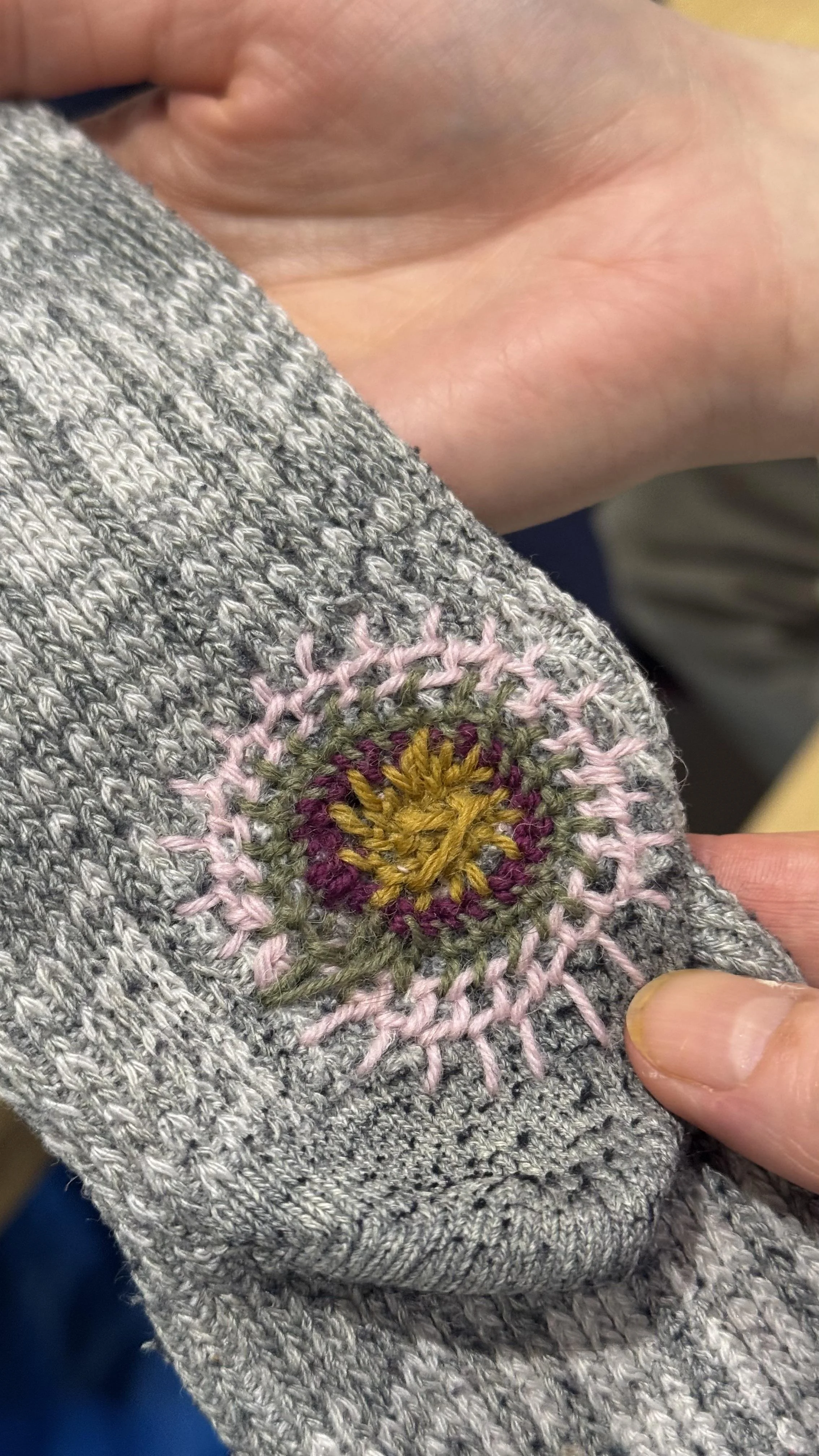
This is exactly what happened in my classes recently. A group of men brought socks they had been ready to throw away because they had worn thin. Once they discovered my colourful firework-style repairs, their interest really took off.
Instead of buying new socks, they learnt a practical skill, rescued their old favourites and discovered the creative pleasure of mending. We even saved the little cuttings of wool for future repairs. Nothing wasted.
Perhaps men aren’t uninterested in mending; perhaps they simply haven’t been shown how enjoyable it can be.
From patched Scottish stockings to soldiers repairing socks at the front, the message remains the same: a hole doesn’t have to mean the end.
And if we can make a repair beautiful while keeping textiles out of landfill, that’s even better.
After all, why throw away something that a little wool, a needle and a spark of creativity can bring back to life?
Historical sources: National Museums Scotland; Wiltshire and Swindon History Centre; The National Archives.
Thank you to Love Wimbledon for inviting me to host a workshop during Sustainable September.
Next workshop, Petersham Nurseries! BOOK HERE Perfect for rescuing those treasured, moth-munched cashmere knits and worn-thin favourite socks you simply cannot bear to part with, this mindful masterclass blends garment care with a deeply satisfying, sustainable, creative ethos. All materials provided. The workshop includes refreshments on arrival 🍰
 Embracing the Crunch: Why We’re Loving the Go Jauntly Autumn / Winter Wander Challenge

Leave a Reply