
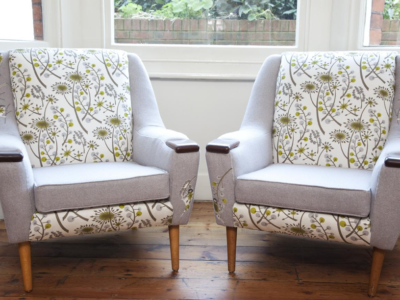
That wobbly dining chair in the corner has been there for two years. You’ve stopped noticing it. The sideboard with the cracked top? You threw a tablecloth over it in 2023 and moved on. Most of us do this. We tolerate furniture that’s almost broken until the day we finally haul it to the curb and order something new.
Here’s the thing worth stopping for: the Environmental Protection Agency estimates Americans send more than 12 million tons of furniture and furnishings to landfills every year. That number has roughly tripled since 1960. And a huge slice of it was perfectly fixable.
Why Repair Makes More Sense Than You Think
Let’s talk money first, because that’s what usually decides things. A decent solid-wood dining table costs anywhere from $800 to $3,000 new. Refinishing the one you already own might run you $150 in materials and a weekend of elbow grease. Reupholstering a well-built armchair typically costs $400 to $700, while a comparable new chair with the same frame quality starts around $1,200.
Then there’s the quality gap. Furniture built before the 1990s was often made with hardwood frames, dovetail joints, and screws instead of cam locks. A lot of today’s budget furniture is particleboard wearing a photo of wood. If you own something older that’s merely tired, you’re holding better raw material than most of what’s on the showroom floor.
And there’s the part nobody puts a price on. Your grandmother’s dresser doesn’t have a replacement. It has a repair.
Spotting What’s Worth Saving
Not everything deserves rescue. Before you commit a Saturday, do a quick honesty check.
Good Candidates
Loose joints. Chairs and tables that rock usually just need the old glue cleaned out and fresh wood glue applied with clamps. This is the easiest win in furniture repair.
Surface damage. Scratches, water rings, sun-faded finish. All cosmetic, all fixable.
Worn upholstery on a solid frame. Press down on the seat. If the frame feels rigid, new fabric and foam will make it feel new.
Broken or missing panels. Cracked cabinet backs, split shelves, damaged tabletops. These get swapped out, not mourned.
Walk Away From
Particleboard that’s swollen from moisture. Once it puffs up, it’s done.
Frames with multiple cracked structural members, especially in bentwood designs.
Anything with active mold deep in the cushioning.
The Panel Problem, and How to Solve It
Here’s where most DIY repairs stall. You’ve got a bookcase missing a shelf, or a desk with a gouged top, and you need a flat piece of material cut to an exact size. Buying a full 8×4 sheet of plywood or MDF for one 30-inch shelf is wasteful and, if you don’t own a track saw, cutting it straight is genuinely hard.
This is why made-to-measure panel services have become so useful for home repairs. Companies like CutMy let you order sheet materials cut to precise dimensions, which means you get exactly the piece you need with clean, square edges and nothing left over to store in the garage. For replacement shelving, cabinet doors, drawer bottoms, or a fresh tabletop, measured panels remove the one step that scares people off.
A tip from experience: measure three times and write it down. Measure the opening, not the old panel, because the old panel may have shrunk or been cut wrong in the first place. Then subtract about 1/16 inch for clearance.

Five Repairs You Can Finish This Weekend
1. Re-glue a Wobbly Chair
Separate the loose joint gently with a rubber mallet. Scrape the old glue off both surfaces with a utility knife. Apply wood glue, clamp for four hours, leave overnight. Cost: under $10.
2. Erase Water Rings
Lay a cotton cloth over the ring and press with a dry iron on low for a few seconds at a time. The heat draws trapped moisture out of the finish. Works surprisingly often on older lacquer.
3. Fill Deep Scratches
Wax filler sticks come in a dozen wood tones. Rub it in, scrape flush with a credit card, buff. Ten minutes.
4. Swap Out Tired Hardware
New brass or matte black pulls on an old dresser change the whole piece. A set of eight runs about $40 and takes twenty minutes with a screwdriver.
5. Refresh a Seat Pad
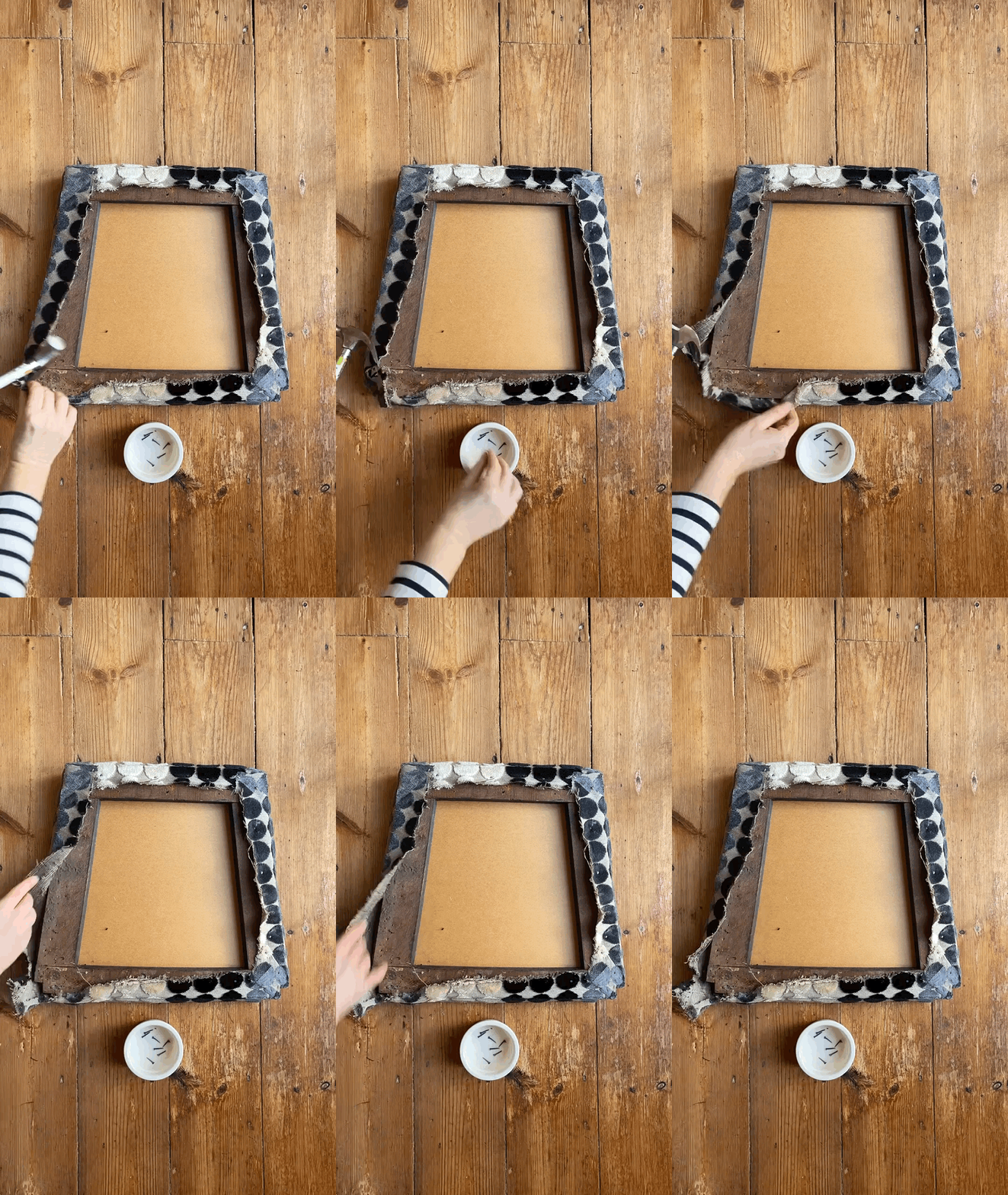
Unscrew the seat from the chair frame, staple new fabric over fresh foam, screw it back. No sewing required. This is the gateway drug of upholstery.

Start Small, Build Confidence
Don’t begin with the heirloom. Pick something low stakes, a kitchen stool or a thrift store nightstand, and learn on that. You’ll make mistakes. A smear of glue in the wrong place, a cut an eighth of an inch short. Fine. That’s tuition.
Furniture repair used to be ordinary. Every town had someone who did it. That knowledge didn’t disappear, it just got buried under free shipping and next-day delivery. Dig it back up. Your wallet will notice, your home will feel more like yours, and one less sofa goes in the ground.
This is a collaborative post.
 Vintage or Vintage-Inspired? Choosing a Gemstone Ring


Leave a Reply