
Prague is one of those cities that almost feels too beautiful at first. The skyline looks staged, the streets feel like they belong in a film, and everywhere you turn, there is something worth stopping for. The problem is that most people don’t actually stop. They move through it quickly, trying to see everything instead of experiencing anything.
Slowing down changes that completely. When you stop treating Prague like a list of checkpoints, the city begins to feel less like a destination and more like a place you can settle into. You notice how neighborhoods shift in tone, how quiet corners exist just a few steps away from crowded streets, and how the atmosphere changes depending on the time of day.
That shift usually comes from removing pressure from your schedule. It is the same logic students use during busy periods when they choose to order essay at EssayHub to simplify their workload. Once the pressure is gone, you are no longer rushing – and that is exactly when Prague starts to make sense.
Why Prague Feels Better When You Move Slower
Prague is not built for speed. The cobblestone streets slow you down naturally, the layout is slightly confusing in the best way, and the most interesting places are often the ones you did not plan to visit. Trying to rush through it creates friction instead of efficiency.
When you slow down, the city becomes easier to read. You start noticing the difference between Old Town’s intensity and the calm of residential districts. You realize that Prague is not just one place – it is a collection of distinct areas, each with its own rhythm.
That is why slowing down is not just a preference here. It is a better way to experience the city.
Start Your Morning Where Prague Feels Almost Empty
Early mornings are when Prague feels the most authentic. Before the crowds arrive, even the busiest places become calm and almost quiet.
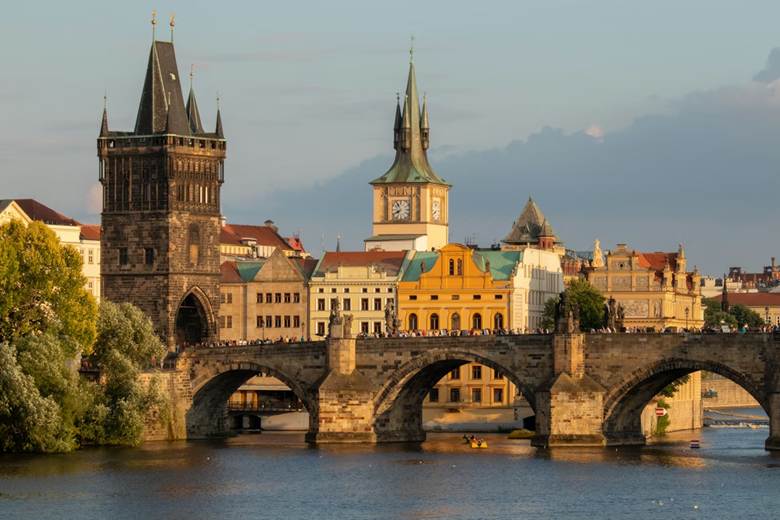
Walking across the Charles Bridge at sunrise feels completely different from visiting it midday. The same goes for Old Town Square, where the Astronomical Clock feels less like a performance and more like a detail of the city itself.
From there, wander into Malá Strana, where narrow streets and old buildings create a slower, softer atmosphere. This part of the city feels lived-in rather than visited, which makes it a perfect place to begin the day.
The Areas That Reward Wandering Without a Plan
Once you move beyond the main sights, Prague starts to feel more personal. Some neighborhoods are not designed around tourism, which makes them ideal for slow travel.
Places worth spending time in:
- Vinohrady – tree-lined streets, relaxed cafés, and a local feel
- Letná Park – open views over the city and space to pause
- Karlín – modern, creative, and quietly energetic
- Holešovice – slightly industrial, full of galleries and cafés
Each of these areas offers something different. Together, they show a side of Prague that most visitors never fully experience.
A Simple Way to Understand Fast vs Slow Travel
| Approach | What It Feels Like | What You Take Away |
| Fast travel | Crowded, impressive, overwhelming | Photos and landmarks |
| Slow travel | Calm, layered, more personal | Real connection to the city |
This difference is not subtle. It changes how the entire trip feels.
The Landmarks Still Matter – Just Approach Them Differently
You do not need to skip famous places to travel slowly. You just need to approach them at the right time and pace.
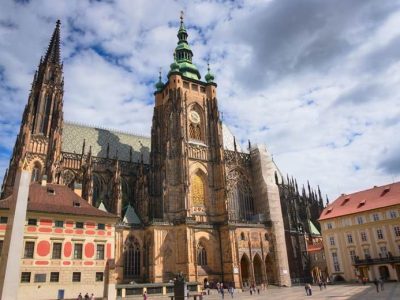
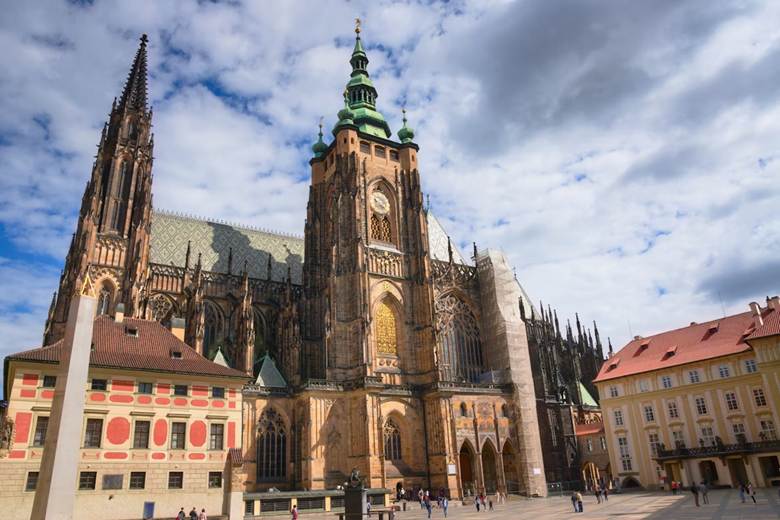
Visit Prague Castle early or later in the day, when the space feels less crowded and more reflective. Walk through St. Vitus Cathedral without rushing, noticing details instead of just passing through.
Spend time in Petřín Hill, where you can walk, sit, and take in views without the pressure of moving on quickly. Even Vyšehrad, which is less visited than the castle, offers a quieter and more grounded experience of Prague’s history.
Food Feels Different When You Give It Time
Eating in Prague is not something that should be rushed. The city’s cafés and restaurants are designed for staying, not leaving quickly. Places like Café Savoy or smaller spots in Vinohrady create an atmosphere where time slows down naturally. Meals become part of the experience rather than a break between activities.
Choosing less central restaurants often leads to better experiences. The food may not be dramatically different, but the environment is calmer and more enjoyable.
The Rhythm of Prague – And Why It Matters
Every city has a pace, and Prague’s is slower than most people expect. Trying to force a faster rhythm creates tension that takes away from the experience. Matching the city means allowing space for unplanned moments. Sitting by the Vltava River, walking through Kampa Island, or simply pausing in a quiet square without checking the time.
This is where the experience becomes more natural. It stops feeling like travel and starts feeling like being present.
Why This Style of Travel Works Especially Well for Students
For students, slow travel feels different because it contrasts so strongly with everyday life. Academic routines are structured, time-sensitive, and often stressful.
Ryan Acton, an academic expert, often connects this idea to how people manage pressure, especially when discussing an essay writing service. Removing pressure in one area creates space to enjoy others more fully. That is exactly what happens in Prague. When you are not rushing, the city becomes easier to enjoy and easier to remember.
Small Habits That Make a Big Difference
Slow travel does not require major changes. It comes from small adjustments that shift how you move through the day.
- Start earlier than usual to avoid crowds
- Spend more time in fewer places
- Leave gaps in your schedule instead of filling every hour
- Sit down more often than you think you need to
These habits make the experience feel less structured and more natural.
The Places You Remember Most
What stays with you after visiting Prague is rarely the checklist of places you saw. It is the moments that felt unplanned. A quiet walk through Nový Svět, a view from Letná Park at sunset, or a slow coffee in a neighborhood café. These are the experiences that feel personal, even in a city visited by millions.
They are not dramatic, but they are real.
Final Thoughts – Let Prague Unfold Instead of Chasing It
Prague does not reward rushing. It rewards attention. The more you slow down, the more the city reveals itself in ways that are easy to miss otherwise. This does not mean avoiding famous places or ignoring well-known spots. It means giving them time and space instead of moving on immediately.
Once you experience Prague this way, it becomes less about what you saw and more about how it felt to be there. And that is what turns a trip into something you actually remember!
 Daily Reading is the Most Effective Background Study Habit You Can Build

Leave a Reply