
A Careful Match for Campus Life or the Best Pets to Have in College
Vets talk about which animals fit the budget of a college student. Review the exact care needs before you bring a companion back to your small dorm room.
Veterinarians Discuss the Best Pets for College Students
University life is full, to say the least. All the late nights and cramped dorm spaces leave little room for pet ownership, both literally and figuratively. Not to mention, most campus lease agreements strictly prohibit large animals. If you bring a big dog or a loud bird, you can kiss your security deposit goodbye. But if you consider a small animal that thrives in a small space, things just might work out.
College requires you to stay focused and highly concentrated for long periods of time. The comfort of a quiet companion at the close of such a day can be highly beneficial and even necessary for some. As academic pressure can mount fast, you might choose a trusted essay writing service such as writing company DoMyEssay to help you to do your assignments and catch a break. But you can do that only so often. A small creature, on the other hand, will help calm your nerves and offer mental relief every single day. That’s why we asked veterinarians to name the best pets for college students.
The Betta Fish
All veterinarians agree: the betta fish is at the top of the list. These colorful aquatic animals need very little square footage, which is exactly what students can offer. And of course, there is no need for a daily walk or problems with barking.
However, the same vets stress that a tiny plastic bowl isn’t enough either. To keep your betta healthy, you need these items:
- A glass tank (5+ gallons)
- A low-flow water filter (for a clean environment)
- An adjustable water heater (for proper tropical temperatures)
- Soft silk plants (for the fish to hide without damaging its fins)
- A water conditioner (to remove harmful tap chemicals)
Proper diet is important, too. You should feed them high-quality pellets and freeze-dried bloodworms (on occasion only). Such a diet will help maintain their bright colors. They also thrive on routine, so try to feed them at the same time every day.
Bettas are easily the absolute best pets for college students who need minimal setup.
The Leopard Gecko
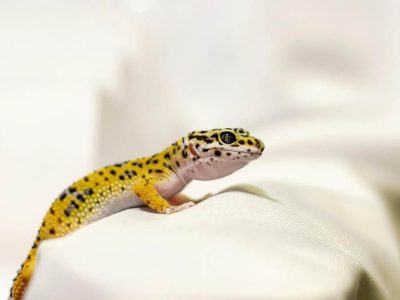
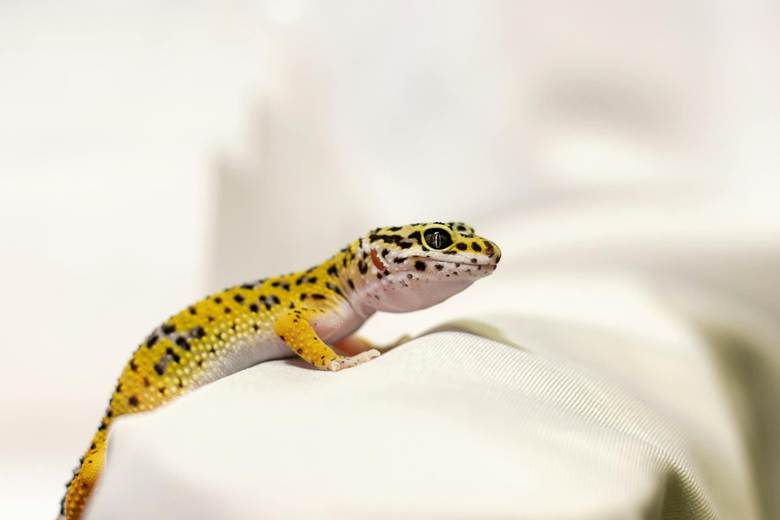
Reptiles intimidate some people, but veterinarians often recommend leopard geckos. These quiet, docile lizards sit right in the sweet spot for a busy student. They sleep through most of the daylight hours and become active just as you return from your nighttime classes.
Because they do not require intense daily interaction, they are exceptionally good college pets. Furthermore, they do not produce the odors commonly tied to rodents. Many experts consider them the best pets to have in college because of this exact low-odor profile.
Of course, the initial setup cost can surprise you. You must purchase heat lamps, a proper terrarium, calcium powder, and live insects. They require a specialized temperature gradient in their tank. One side must remain warm for digestion, while the other side stays cool.
Raymond Miller, a blog writer for the popular essay writing service DoMyEssay, points out how easy it is to underestimate hidden costs.
“Students often buy the animal on a whim but forget the expensive hardware,” Miller notes. When experts at DoMyEssay look at campus distractions, they note that unprepared pet owners experience massive budget stress. Always calculate the full price of the habitat first. Also, consider the long commitment. A healthy leopard gecko often lives well past your four-year degree.
The Fancy Rat
If you want a pet that actually interacts with you, veterinarians recommend fancy rats. Larger animals won’t be allowed on campus due to strict rules, but small rodents will do the trick. Rats are incredibly smart, deeply affectionate, and surprisingly clean animals.
They also possess distinct personalities and bond closely with their owners. They’re wonderful pets to have in college and they can learn tricks. You can teach them to respond to their names or run through small mazes on your desk.
Vets do warn that they need mental stimulation and supervised time outside the cage. They need it to thrive. If you want to raise a healthy, socialized rat, follow these steps:
- Adopt them in pairs because they can experience severe loneliness while you attend class.
- Get them a tall, multi-level wire cage so they can climb and explore it.
- Buy safe wooden chew toys for their teeth.
- Pick paper-based cage substrates over wood chips to prevent respiratory infections.
- Let them out for at least one hour a day to safe play outside the cage.
If you can comply with these simple requirements, rats can be spectacular companions.
A Final Decision
Adoption of a pet is a commitment you should take seriously. Consider your actual available time and financial limits before you decide on a companion. Do not rush this decision. You should put their well-being first, always.
 Why Regular Heating Maintenance Saves Families Thousands Every Year

Leave a Reply