

It seems easy. Just sell a product and reduce your waste.
However, there are many ways waste will enter your business once it becomes operational.
From your suppliers, deliveries, customer orders and day to day tasks. If you start with bad processes you’ll end up paying more to fix them in the future.
It’s not about trying to say you’ll never put anything in a waste bin. The goal is to eliminate waste where possible, recycle/reuse what you can and know what to do with what’s left over.
What You’ll Cover
- Choosing your zero waste business idea
- Eliminating waste before your business opens
- How to run your business with minimal waste
- Measuring waste once you have customers
Find Your Idea
Having a zero waste business doesn’t mean people will automatically buy from you.
Try to find something that people are currently consuming, buying or throwing away. See if you can reduce that amount for them.
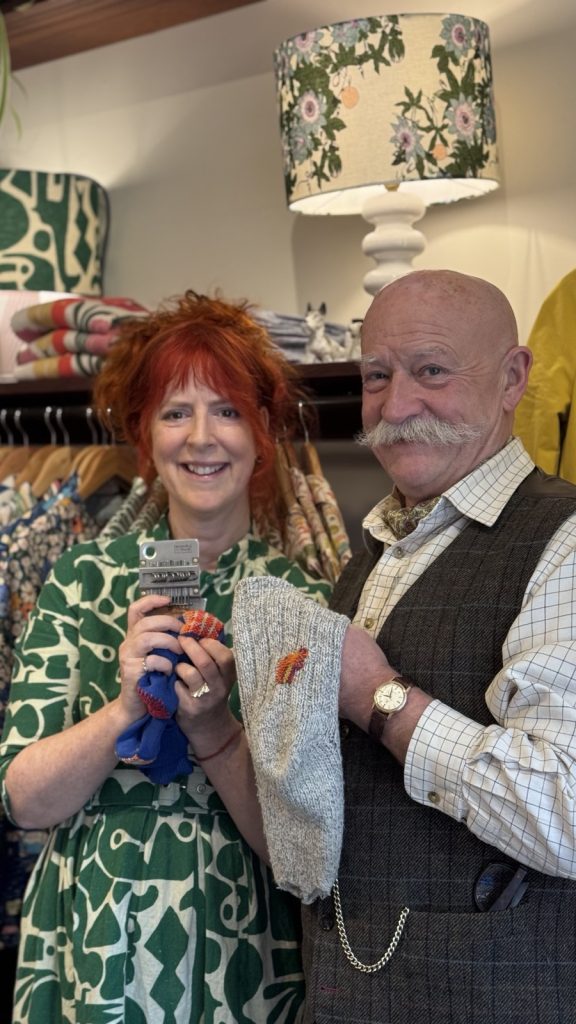
You could start with providing refills for household products, offer a repair service, sell pre-loved items or rent out equipment. Don’t start all of these, find what works for you and start there.
Talk to customers before buying stock. Ask them what they buy, what they don’t like about it and what would make them switch to you. Maybe you want to provide a refill service, but customers may not like having to go somewhere to refill their product.
Test one clear offer first. Paid orders are a stronger test than compliments. Once customers buy, consider testing another idea. Make sure you account for your waste when setting prices, cleaning, returning packaging and unwanted stock.
Reduce Your Business Expenses
Your business does not need to have an expensive office, fancy chairs or tons of paperwork to start.
Try to invoice your customers digitally, allow online bookings and share information via an online document if necessary. Don’t print everything just because another business does it. Know what paperwork you need to keep.
If you work from home, a virtual business mailing address can help you keep your address private. With a mail scanning service, you can request digital copies of selected letters instead of forwarding every item to your door.
That doesn’t prevent the paper from being created. Decide which originals to keep, how the rest should be handled and whether the address meets your business’s registration and mailing requirements.
You can apply this to equipment as well. Buy second hand, fix what you have and rent when you need certain equipment. Once you start getting more customers you can look into buying what you need.
Spend money where it matters, including essential business needs, rather than trying to look bigger than you are.
Reduce Waste in Your Products
Map out your product’s life cycle from start to finish.
Where will you unwrap your stock, what can be damaged, what do you do with returned stock and can you repair your product once it reaches the end of its life span.
Here are some things to consider when reducing waste with your product:
- Supplies: Use recyclable/reusable materials that fit your needs. Know what is in your supplies.
- Packaging: Remove unnecessary packaging first. Consider reusable or right-sized options.
- Shipping: Box up your stock efficiently, don’t ship one small item in a big box.
- Once used: Provide a way to repair, refill or return your product. Make sure your customers have the ability to do this.
When thinking about reusable packaging, how will your customers get that back to you? If your customers need to send it back to you from across the country, maybe your reusable packaging isn’t worth it.
You could set up a location for them to drop it off or you can collect it on their next delivery. If you sell food or personal care refills, plan the hygiene steps too. Test the real costs, handling time and customer effort before scaling it.
Know Your Suppliers
One weak supplier can undermine a careful plan.
Find out what your suppliers are using, how they pack your orders and if they come in unnecessary plastics/waste. Request a small trial shipment so you can inspect what actually turns up.
Of course you want your products to be affordable but the cheapest product may not be the best for your business in the long run.
See if your supplier can provide reusable packaging, deliver multiple products at once and allow you to return shipping packaging. Have a realistic idea of how much stock you need to buy at a time. Having too much stock is a waste as well.
Have another supplier in case one runs out of stock.
Just because something has a recycle symbol doesn’t mean your city has that program available.
Track Your Waste
You may feel like you’re doing great after you purchase recycled paper and reusable cups. These are good practices but they don’t tell you how much waste you’re actually saving.
Circle Economy’s 2026 Circularity Gap Report offers an initial estimate that €25.4 trillion in avoidable economic value is lost worldwide each year through linear material use. That’s a global estimate, not a figure any one business can expect to save.
Create a spreadsheet to track your waste once a month. Here are some ways you can measure waste:
- Amount of waste that is thrown away
- How much packaging you buy and reuse
- How much stock you receive that is broken or unsold
- Containers that you get back from your customers
- Cost of materials and shipping
Compare your numbers month to month and see if there is a pattern. If your sales doubled, you may have more waste than last month but you also sold more. Keep track of both.
You can also compare this to your profits. If you reduced packaging but had more products come back damaged you may need to change something.
Advertise What Your Business Can Do
Not everyone wants to buy from a zero waste business, advertise what they will get out of buying from you.
Let them know how your product is better and what you are doing to reduce waste.
Avoid broad claims such as ‘completely eco-friendly’ unless you have evidence for the precise claim. If a package contains recycled material, describe the recycled content you can verify. If an item is compostable only through a suitable collection service, explain that limitation.
Give your customers more information on what to do with your products.
Test and Adjust
Start your business with one idea that you know you can fulfill orders for. Once you have customers, notice what you can improve on.
Maybe your customers didn’t understand how to return their containers, your stock came with more waste than you expected or you need to change the way you explain your refills. Write these down and try to better your business one step at a time.
Record your changes and continue to test.
This is a collaborative post.
Ali writes: Although I thought I knew a LOT about working in the sustainability sector, also, this The Green Start Up book has been a brilliant refresher for me, and I really do think it will be an excellent read for you if you have plans too. Full of actionable advice, it’s an inspiring and exciting publication.
 Men, Socks and the Lost Art of Darning

Leave a Reply