

Repair as a mindset, as well as a skill
Hello, I’m Ali Clifford, and I run incredibusy, where we create opportunities for people to reconnect with the art of making and repairing, especially through textiles like weaving, mending, and creating by hand. My work spans both immersive workshops at places like fforest in Wales and click here for the community projects in London during Repair Week 2026, where we bring people together to learn, repair, and build sustainable practices through creativity.
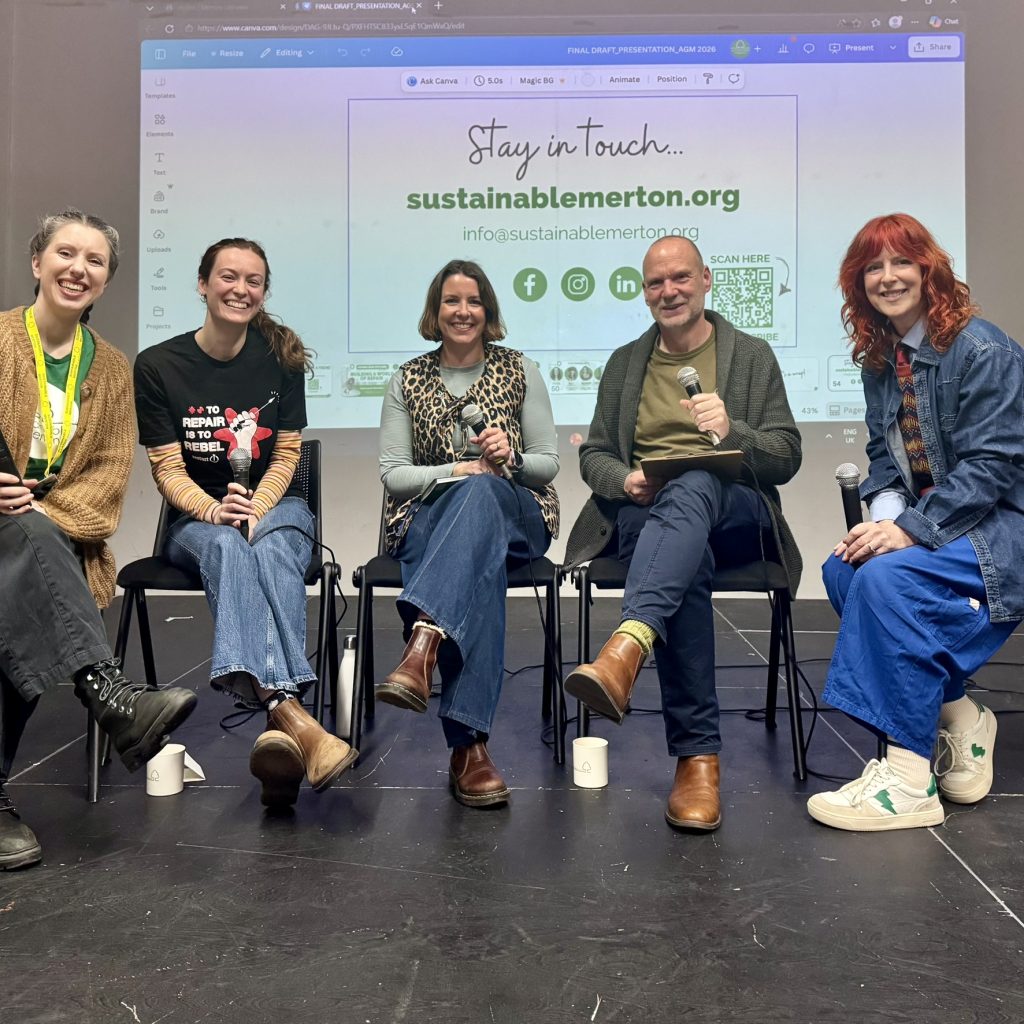
Many thanks to The Wheel Merton for inviting me to be a part of the panel discussion during Sustainable Merton’s AGM this week – the conversation on building a world of repair, pictured below from left:
✨Franki Appleton chair:
✨ Josie Ball – @restartproject – www.therestartproject.org
✨ Sarah Robins – WRAP – www.wrap.ngo
✨ Dermot Jones – @the_repair_rooms – www.therepairrooms.co.uk
✨ Ali Clifford – @incredibusy
Together, we explored how repair, reuse and circular thinking can help shape a more sustainable future – right here in our communities. As part of Sustainable Merton’s waste reduction and circular economy project, The Wheel Merton, which is generously supported by Merton Council.


What I Do
I teach and host workshops that explore repair and sustainability through the lens of creativity. Whether it’s weaving on a traditional loom, mending fabrics, or exploring new ways to reuse and repurpose materials, my goal is to encourage a deeper connection to the objects we use every day. This isn’t just about fixing broken things; it’s about empowering people to take control of their resources and learn the value of repair, not only as a skill but as a mindset.
Elements of Repair
There are several elements at the heart of my work:
- Teaching Repair: Through hands-on workshops, I teach people practical skills in textile repair, whether that’s weaving with broken threads, learning to mend clothes, or creating things that last. The beauty of working with textiles is that it’s both creative and practical, it’s a way for people to directly engage with the process of making, fixing, and nurturing.
- Community Building: Workshops at fforest and in London create a shared space for people to come together, explore sustainability, and learn new skills in a supportive environment. It’s about more than just repairing an item, it’s about re-building community connections. In these spaces, people share knowledge, learn together, and create bonds that extend beyond the workshop itself.
- Creative Collaboration: Repair isn’t just about individual action, it’s also about collaboration. A big part of my work involves fostering creative collaborations where participants bring their ideas, materials, and passion for sustainability into the process. Together, we explore new ways of reusing materials and looking at old objects in a fresh light.
- Sustainability and Mindful Consumption: At its core, this work is about shifting our mindset from a throwaway culture to one where we value repair, reuse, and sustainability. By teaching these skills, I hope to spark broader conversations around sustainable living, reducing waste, and embracing the idea that things can be made better, not just replaced.
Why This Is Important
Repair is essential, not just for reducing waste but for fostering creativity and empowering individuals. In a world where we often feel disconnected from the process of making and maintaining, teaching these skills is a way of reclaiming control over our environment and our lives. Repair is a way of slowing down, appreciating what we have, and taking pride in making something with our own hands.
This work is vital for building a more sustainable, resilient future where we don’t just consume but actively contribute to the world around us. It’s about nurturing a culture of care and craftsmanship, where repair and reuse are not only practical but celebrated.
What does the repair landscape look like right now in the areas where you work, is there anything you’re particularly excited about?
The repair landscape is really picking up pace! Repair is going mainstream, with shows like The Repair Shop on BBC, which has a huge audience of over 6 million viewers, really helping to normalise it. People are excited about fixing, not throwing away, and that’s showing in growing repair cafes and online communities. It’s more than just practical – it’s become a movement.
What changes and improvements have you seen businesses or governments make to bring more repair options to the public over the last few years?
We’ve seen real progress in both policy and business. Governments are pushing “Right to Repair” laws – in the UK, for example, legislation now requires manufacturers to offer spare parts and longer warranties.
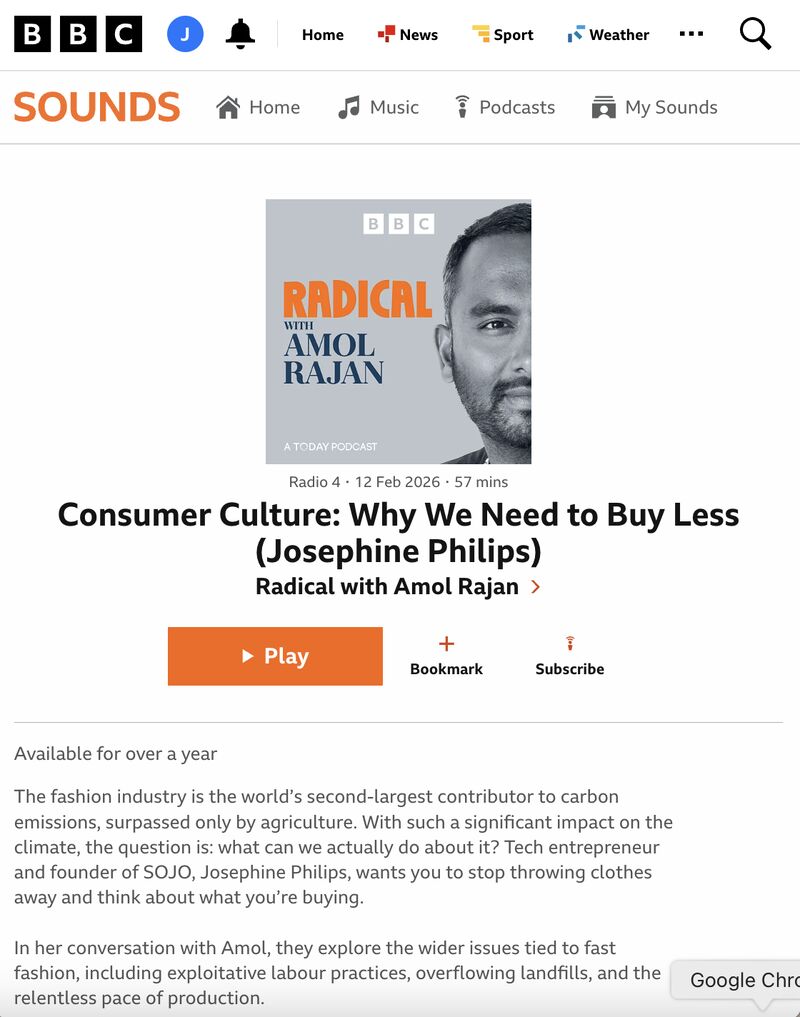
On the business side, companies are starting to integrate repair into their model, with clothing brands like Lowie and Palava and repair experts Sojo (featured on Amol Rajan’s radical podcast recently) leading the way by offering sustainable clothing repair. It’s all about making repair accessible.
What are the most important changes you would like to see in the next 5 to 10 years to make repair more mainstream?
In the next 5 to 10 years, I’d love repair to be the go-to option for consumers. That means better-designed products that are easy to fix, (see Fairphone for a great example) stronger legislation, and a culture shift where repair is normal – like recycling. The more repair becomes part of the mainstream, the less we’ll rely on throwaway culture.
What would you say is the number one way each of us here can help to build a world of repair?
The key is changing our mindset – instead of thinking “I need a new one,” ask “Can I fix this?” (see also my viral freezer drawers video) By supporting repair-friendly businesses and learning basic skills, we can all help shift the culture. Plus, spreading the word and sharing what you know makes a huge impact.
You have experienced repair at the grassroots level, are there any barriers that are stopping or stalling people from accessing community repair?
One of the biggest barriers is awareness. A lot of people simply don’t know that community repair options are available, or they might think they’re too complicated or expensive.
Another challenge is accessibility, especially in rural areas or places without repair cafes or local repair experts. There’s also a lack of skilled repairers in some communities, so that limits options. But I’m seeing more partnerships forming to help bridge these gaps, and the more we spread the word, the more people can get involved.
What first got you interested in repair?
I’ve always been passionate about sustainability, and I grew up in a family where we were encouraged to fix things rather than throw them away. My father’s business was car and gearbox repairs – But what really got me hooked was seeing how repair empowers people.
It’s about taking control of what we own, extending the life of our stuff, and reducing waste. I think when people experience the satisfaction of fixing something themselves or bringing it to a local repairer, it shifts their whole mindset about consumption.
My key message would be: Repair isn’t just about fixing things; it’s about fixing the systems we’ve built around waste and overconsumption. Every time you repair something, you’re contributing to a movement that can make sustainability the norm. Let’s make repair mainstream, start with small actions, spread the word, and encourage others to do the same. The more we all embrace repair, the more we shift the culture towards a sustainable future.
Look – The UK has now 807 repair cafes.
further reading:
A recent post on linkedin that caught my eye – Kat Corbett – Circular Economy expert at the University of West of England writes on linkedin: “The Restart Project is a real driving force behind the Repair Café Network in the UK, working closely with Right to Repair Europe.
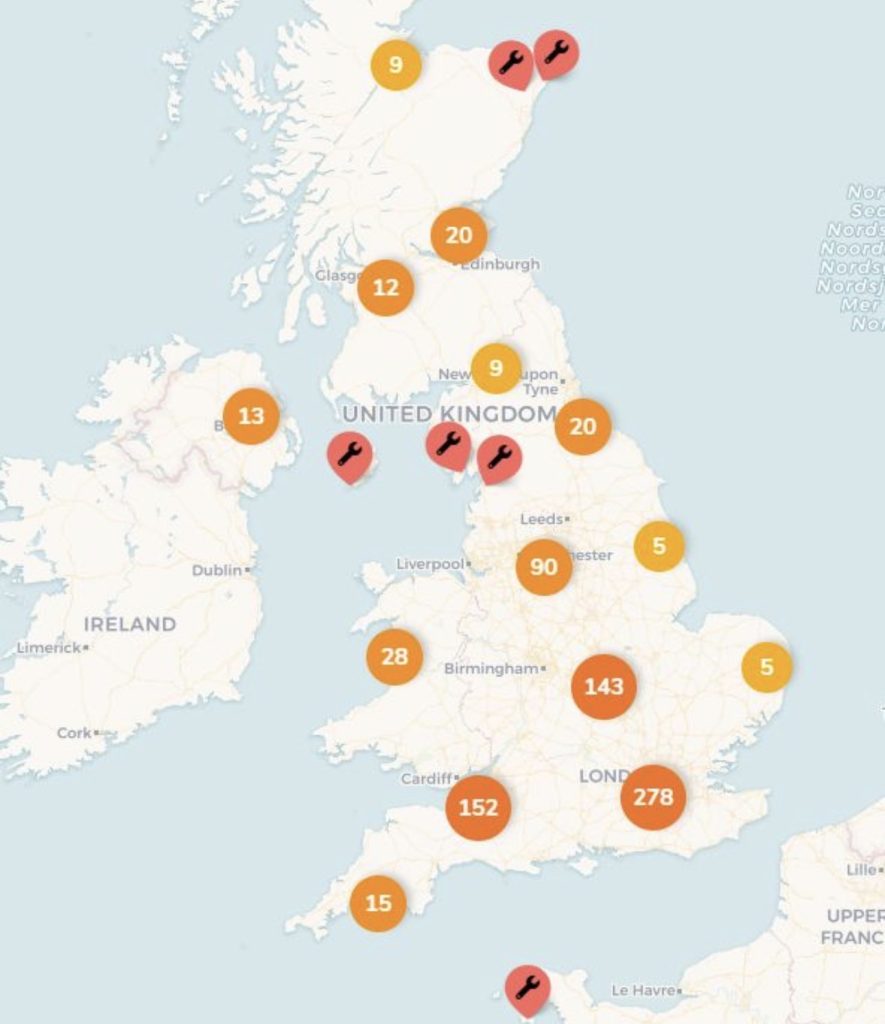
Repair Cafe Wales are also super active. You may also want to check out the Open Repair Alliance (https://openrepair.org/) and the Community Repair Network who created the wonderful map shared here (https://communityrepairnetwork.org.uk/). RepairCafe.org is the global movement behind it all (https://www.repaircafe.org/en/).
However, to see this grow further in the UK, one thing we would love to see is policy change, which is what the Repair and Reuse Declaration is trying to achieve: https://repairreusedeclaration.uk/.
That said, if you know of any local funding schemes, I know the Bristol Repair Coalition would love to hear about it, as they have some wonderful ideas to scale up repair and reuse in Bristol! “
Thank you Kat at https://blogs.uwe.ac.uk/engineering/bristol-repair-coalition-building-a-city-wide-culture-of-repair-and-reuse/
 How Do You Prevent Sink Disposal Odours Before They Start?

Leave a Reply