
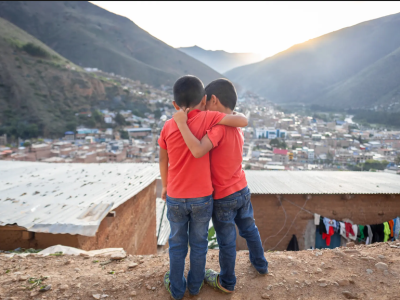
Kindness does not come automatically to children, no matter how good hearted they naturally are. Like any meaningful character trait, it needs to be modelled, taught, and practised consistently over years for it to become a genuine part of who a child becomes as they grow. Parents play the single biggest role in this development, often through small everyday moments rather than formal lessons.
If you have ever wondered how to intentionally raise a kind, compassionate child rather than simply hoping it happens naturally, here is a proper, section by section look at practical ways parents can nurture these qualities at home.
1. Model Kindness in Your Own Daily Interactions
Children absorb far more from what they observe than from what they are directly told. A parent who speaks kindly to a frustrated waiter, helps a struggling neighbour, or apologises sincerely after a mistake teaches kindness far more effectively than any lecture on the subject ever could. Kids are always watching, even when it does not seem like they are paying attention.
This modelling matters most in ordinary, low stakes moments rather than dramatic ones, since children encounter far more everyday interactions to learn from than rare, significant events. How a parent treats a cashier or responds to a minor inconvenience teaches a child more about kindness than an occasional grand gesture ever will.
2. Name Emotions to Build Genuine Empathy
Empathy, the foundation of real compassion, requires kids to first understand emotions, both their own and other people’s. Helping children put words to what they are feeling, and encouraging them to consider what someone else might be feeling in a given situation, builds the emotional vocabulary and awareness that compassion depends on.
This practice can start remarkably young. Simple questions like “how do you think your friend felt when that happened” gently build a child’s capacity to consider perspectives beyond their own, which is the core skill underlying genuine compassion toward others.
3. Understand the Deeper Roots of Grace and Unearned Kindness
Many parents find it helpful to explore where the concept of kindness toward others, even when it is not deserved or earned, actually comes from. Understanding what is grace according to the bible offers many families a meaningful framework for teaching kids that kindness is not something to be rationed out only to people who have behaved perfectly, but something freely given, which is a genuinely important lesson for children who are still learning to navigate fairness and forgiveness in their relationships.
Compassion International has written extensively on this concept, exploring how the idea of grace can shape a child’s understanding of kindness in ways that go beyond simple politeness, helping them grasp why compassion matters even, and perhaps especially, toward people who have made mistakes.
4. Create Regular Opportunities for Kids to Practice Giving
Compassion grows through practice, not just discussion. Involving kids in age appropriate acts of giving, helping choose toys to donate, participating in a family volunteer activity, or setting aside part of an allowance for a cause they care about, turns kindness from an abstract idea into a lived habit.
These regular opportunities matter because compassion, like any skill, strengthens with repetition. A child who has practised giving and helping repeatedly throughout childhood is far more likely to carry that instinct into adulthood than one who has only heard about kindness without regularly practising it themselves.
5. Address Unkind Behaviour With Curiosity Rather Than Just Punishment
When a child behaves unkindly, whether through teasing a sibling or excluding a classmate, the moment offers a genuine teaching opportunity beyond simple discipline. Asking questions like “how do you think that made them feel” or “what could you do differently next time” helps a child process the impact of their actions rather than simply learning to avoid getting caught.
According to research published by the Making Caring Common project at the Harvard Graduate School of Education, children whose parents actively prioritise kindness and discuss the emotional impact of behaviour on others tend to develop stronger empathy and prosocial behaviour over time compared to children raised with discipline focused primarily on rule following alone.
6. Celebrate Kindness When You See It
Positive reinforcement matters just as much as correction. When a child shares without being asked, comforts an upset friend, or shows unprompted patience with a younger sibling, specifically acknowledging that behaviour helps reinforce it as something genuinely valued within the family, rather than something that goes unnoticed while only unkind behaviour receives attention.
This kind of specific, genuine praise, noting exactly what the child did and why it mattered, tends to be far more effective at reinforcing compassionate behaviour than generic praise, since it helps children clearly understand which specific actions are worth repeating.
Final Thoughts
Raising a kind, compassionate child is not the result of a single conversation or a single lesson. It is built gradually, through consistent modelling, regular practice, thoughtful conversations about emotions and fairness, and genuine celebration of kindness when it shows up naturally. Parents who prioritise this development are shaping character that will serve their children throughout their entire lives, well beyond childhood itself.
If you are looking for a place to start, choose just one or two of these practices and build them consistently into your family’s routine. Compassion, much like any other meaningful trait, grows through repetition and genuine modelling far more than through occasional lectures, and the effort invested in nurturing it early tends to pay off in the kind of adult your child eventually becomes.
This is a collaborative post supporting me to continue to write here on incredibusy.com
 Dog Friendly Isle of Wight

Leave a Reply