
Have you ever emptied your kitchen rubbish bin at the end of the week and actually LOOKED at what was in it?
Nine times out of ten it’s not food. It’s wrappers. Sachets. Plastic film. Foil pouches. Little tubs that contained maybe two spoons worth of something. The food is gone. The packaging lingers on.
Here’s the frustrating part…
Most of it was completely avoidable.
Containers and packaging comprise 28.1% of US waste, according to the EPA. That’s the largest category of the entire waste stream. Kitchens account for a significant portion of it.
The best part? A zero-waste pantry doesn’t require a complete lifestyle change. Just a few simple swaps that will stick.
What you’ll walk away with:
- The Coffee Swap That Cuts The Most Waste
- Why Pantry Packaging Piles Up So Fast
- Everyday Swaps Worth Making
- Where Most Zero-Waste Pantries Fall Apart
Let’s get into it.
The Coffee Swap That Cuts The Most Waste
Start with coffee, because it’s the thing most kitchens go through every single day.
Coffee pods are the single worst offender by far. Worldwide coffee capsule waste is estimated at about 576,000 metric tons annually and very little of it ever gets recycled due to the size of the pods and material diversity.
There’s nothing shameful about this solution. Simply purchase a big bag of coffee rather than a box of single servings.
Dozens of pods, sachets and foil singles are replaced by a single large bag of coffee. One seal, one bag, one bit of waste rather than five if you switch to a 5lb coffee bag rather than buying five 1lb bags. Whole beans stored in a sealed jar will stay fresh for weeks. That means bag size isn’t the environmental issue most people think it is. Throw in a reusable metal filter or French press and the daily waste from your caffeine habit becomes negligible. Only the grounds you’ve used, and they can go straight on the compost heap.
That’s one swap doing three jobs:
- Less packaging per cup
- Lower cost per cup
- No filters heading to landfill
Not bad considering only one change was made to the shopping list. And once you knock out the largest day-to-day purchase it’s easy peasy lemon squeezy on the rest of the pantry.
Why Pantry Packaging Piles Up So Fast
Pantry waste is sneaky. Nobody buys a mountain of plastic on purpose.
One snack pack at a time. One single-serve sauce at a time. One pseudo-recyclable pouch that you can’t actually recycle anywhere near you.
And here’s what most people overlook: smaller portion sizes mean poorer packaging ratios. A small packet of seasoning takes nearly as much material to make as a container ten times the size. Factor that in for every item on your shopping list and you’ll see how bad it can be.
There’s another issue as well. Packaging that’s small and made from multiple materials is precisely the sort of thing that confounds recycling facilities. Foil pouches, plastic film and multi-layer packets typically end up being sorted out and landfilled, symbols or no.
Point isn’t to recycle more effectively. Point is to purchase less containers initially.
Everyday Swaps Worth Making
Coffee is the home run. These are the singles and doubles that sneak up behind it.
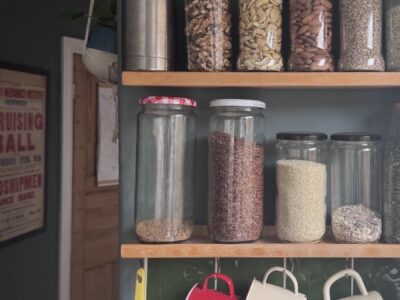
Jars Beat Pouches Every Time
Glass jars are pantry essentials for anyone looking to zero waste. They last forever and seal tightly. You can refill them endlessly.
Begin with what you already have at home. Pasta sauce jars, pickle jars and old coffee containers will all work just fine if you clean them out. You don’t need to purchase a matching set of anything.
Stick those on the containers for the staples you purchase most frequently, rice, oats, flour, sugar, pasta, beans and spices. After your jars are established, going back to restock from a bulk container or large bag will become your normal, rather than requiring extra effort.
Ditch The Single-Use Kitchen Extras
Most of what ends up in the kitchen waste bin isn’t food packaging. It’s throwaway extras nobody thinks twice about.
The easiest replacements are:
- Beeswax or silicone wraps instead of cling film
- Cloth or silicone bags instead of plastic zip bags
- Washable cloths instead of paper towels
- Glass containers instead of takeaway tubs
None of these are hard. They just have to reside somewhere visible, because if you shove a reusable bag in the back of your drawer you’ll never use it.
Buy Bigger, Shop Less Often
Bulk buying is the single most effective packaging cut available to a normal household.
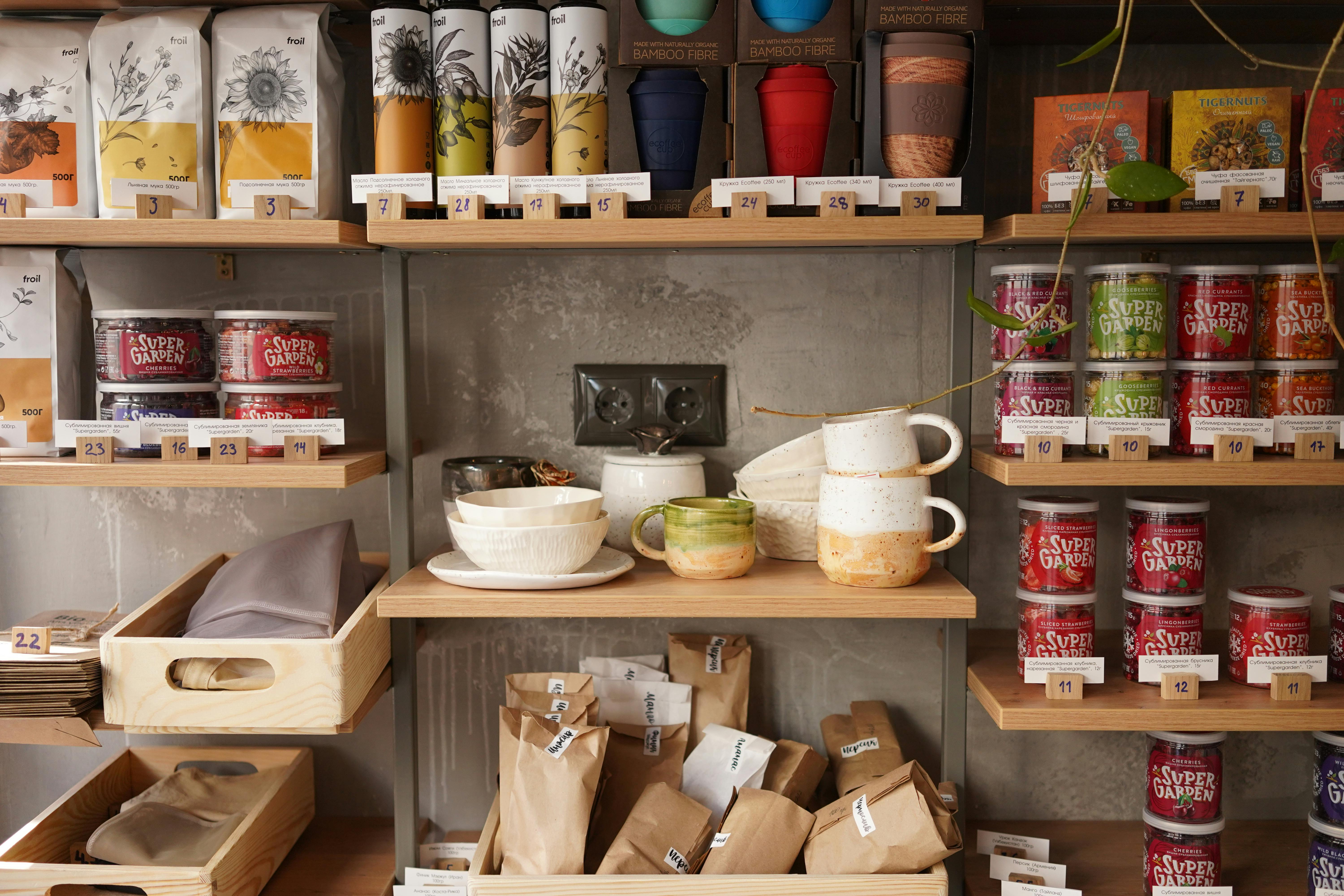
Bulk sizes nearly always translate into less packaging per serving. They also mean less shopping trips, less delivery boxes and less impulse items wrapped in plastic.
The key is purchasing in bulk items that truly are durable. Dry goods, coffee, rice, oatmeal, cleaning products and paper goods keep well. Fresh produce doesn’t, and purchasing excessive amounts merely trades a packaging issue for a food waste one – an outcome you’re probably best avoiding, considering that food is already the single biggest material found in residential trash.
Where Most Zero-Waste Pantries Fall Apart
Here’s what nobody warns you about…
Most people stumble at this stage because they try to overhaul their lives all at once. Forty matching jars, all the reusable bags, a compost bin all bought on one weekend. Half of it collects dust two months later.
Zero-waste pantries fall apart for three very predictable reasons:
- It overwhelms you. One change at a time is manageable. Ten aren’t.
- The swaps aren’t convenient. For example, if you have to jump through hoops to use the reusable version when the disposable version is right there, go with the disposable version.
- The pantry isn’t organised. Purchasing quantity without containers means foods go stale, they spill and you waste food.
Fix those three things and the rest looks after itself.
Begin with the most heavily used item in your kitchen. For most people, this is coffee. Next is whatever starch you find yourself cooking each week. Nail down that swap and sustain it for 30 days before moving on to the next trade.
Good enough is better than perfect. A pantry that reduces packaging by 60% and maintains it forever is much more valuable than creating a flawless pantry that falls apart by March.
Bringing It All Together
A zero-waste pantry doesn’t mean purchasing armfuls of green goodies. It means purchasing less packaging.
The swaps that actually move the needle:
- Replace pods and single-serves with one large bag of coffee
- Move your staples into refillable jars
- Buy bigger sizes of things that store well
- Swap disposable kitchen extras for washable versions
- Keep the reusable option easier to reach than the throwaway one
Packaging is the largest category of the entire waste stream, and the kitchen is where most households can reduce it quickest. Every bulk purchase, reused jar and washable filter is one less pile of wrappers headed for the bin forever.
Pick one swap this week. Then pick the next one.
 How Parents Can Help Kids Practice Kindness and Compassion

Leave a Reply