
Eating with the seasons can really change how you think about food. It means picking fruits and vegetables when they’re at their best, a simple yet powerful way to feel more connected to nature’s calendar. Imagine biting into a super-flavourful, sun-ripened summer tomato, or enjoying the comforting warmth of an autumn squash soup. This way of eating improves your meals and also supports your well-being and budget.
The Benefits of Seasonal Produce
When you pick produce that’s in season, you’re getting it at its peak. Fruits and veggies that ripen naturally and are picked fresh just taste better. Think about the difference between a pale, hard strawberry in winter and a sweet, juicy one in June. Besides tasting better, there are also big nutritional benefits. Produce harvested at its best often has more nutrients because it hasn’t been stored or shipped for long periods. This is one of the main benefits of eating seasonal produce, meaning you get more vitamins and minerals from what you eat.
Plus, eating seasonally can save you money. When a certain fruit or vegetable is plentiful, its price naturally drops. You’ll often find great deals on things like zucchini in late summer or root vegetables in the autumn. Exploring seasonal eating also shows how it helps the environment. It often means supporting local farmers and reducing how far your food has to travel.
Eating Out, Seasonally Inspired
Life gets busy, and cooking every meal from scratch isn’t always possible. Luckily, you can still enjoy seasonal eating when you go out. Many chefs love creating menus that highlight the best ingredients available year-round. This is especially true in cuisines like Italian, where simple, fresh, high-quality ingredients are key.
Choosing a restaurant that cares about seasonality usually means you’ll get a more flavourful and creative meal. Look for menus that change often or have daily specials based on what local suppliers have. Many Italian restaurants build seasonal specials around these fresh ingredients, giving diners the chance to enjoy dishes that reflect what’s currently at its best. It’s a tasty way to experience seasonal cooking without any of the work. It’s also a great way to discover new flavour combinations and support businesses that focus on quality.
Discovering New Flavours
Following the seasons can gently push you to try new foods. It’s easy to buy the same few vegetables every week, but seasonal eating encourages you to experiment. You might find yourself trying purple sprouting broccoli in the spring, globe artichokes in the summer, or the earthy taste of celeriac in the winter.
This natural rotation keeps your meals interesting and broadens your cooking skills. Each season brings new colours, textures, and tastes to your plate. Instead of seeing it as a limitation, think of it as a fun challenge to see what you can create with the ingredients available. You might even find a new family favourite or a simple side dish that becomes a regular for years.
Where to Find Quality Ingredients
Finding seasonal produce is probably easier than you think. Your local farmers’ market is one of the best places to start. There, you can talk directly to the growers and find out exactly what was picked that week. It’s a fantastic way to feel connected to your food and your community.
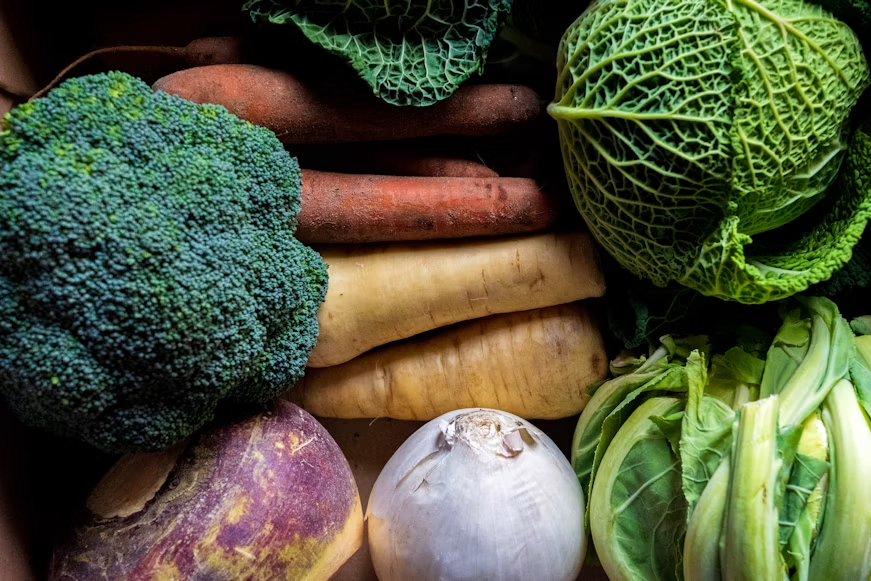
Local greengrocers and farm shops are also great spots for fresh, seasonal items. They often have a better selection of local produce than big supermarkets. Another excellent option is signing up for a vegetable box scheme. These services deliver a curated box of seasonal, often organic, produce right to your door. This takes the guesswork out of shopping and introduces you to vegetables you might not have picked yourself.
Simple Seasonal Recipes to Try
You don’t need complicated recipes to make seasonal ingredients taste great. Often, the simplest ways of preparing them are the best. Here are a few ideas to get you started:
- Spring: Lightly steam some fresh asparagus and serve it with a squeeze of lemon, a drizzle of olive oil, and some shaved parmesan. It’s a simple, elegant side dish or light lunch. Or perhaps sweet potatoes and organic leeks?
- Summer: Make a classic tomato and basil salad when tomatoes are at their sweetest. Just slice them, tear some fresh basil leaves over the top, and dress with good-quality olive oil and a pinch of sea salt.
- Autumn: Roast a mix of root vegetables, such as carrots, parsnips, and butternut squash, with thyme and rosemary. The oven’s heat caramelises their natural sugars, making them incredibly tasty.
- Winter: A warm leek-and-potato soup is the ultimate comfort food. Sauté the leeks and potatoes, cover with vegetable stock, and simmer until soft, then blend until smooth.
Eating with the seasons is a really rewarding habit. It adds variety to your diet, helps your health, and makes you feel more connected to the world around you, one delicious meal at a time.
This is a collaborative post.
 Visiting 575 Wandsworth Road
Leave a Reply