

Surgeon burnout has become a growing concern in healthcare. Long hours in the operating room, high-stakes decision making, and administrative pressures can create a cycle that’s difficult to break. For many organizations, the solution isn’t just about asking surgeons to do less; it’s about building smarter systems that better support them. Today, HR leaders are stepping into a more strategic role, helping reshape how surgical teams are staffed and supported.
One area that’s gaining attention is how healthcare facilities manage and promote listings for surgeon jobs. They’re taking increased measures to ensure the right professionals are matched with the right opportunities. By improving visibility and access to these roles, HR teams can fill critical gaps more efficiently. That reduces strain on their existing staff members and helps create a more balanced and sustainable workload in surgical departments.
Understanding the Burnout Loop
The surgeon burnout loop often begins with staffing shortages. When there aren’t enough qualified professionals available, existing surgeons are required to take on additional cases and longer hours. Over time, that leads to fatigue, stress, and decreased job satisfaction.
As burnout increases, retention becomes more difficult. Surgeons may reduce their hours, switch roles, or leave the field altogether. That creates even more pressure on the remaining team, and the cycle continues. Breaking this loop requires a proactive and systemic approach.
Rethinking Recruitment Strategies
HR leaders are also rethinking how they recruit and retain surgical talent. Instead of relying solely on traditional hiring methods, many are adopting more dynamic strategies that prioritize speed, flexibility, and precision. That includes leveraging digital platforms, expanding outreach efforts, and building strong relationships with staffing partners. By broadening the talent pool and streamlining the hiring process, organizations can reduce the time it takes to fill open positions and maintain adequate coverage.
Introducing Flexible Staffing Models
Flexibility is becoming a key factor in reducing surgeon burnout. Not every role needs to follow a rigid, full-time structure. By offering options such as locum tenens positions, part-time schedules, or rotational assignments, healthcare facilities can better meet the needs of both providers and patients. These models allow surgeons to maintain a healthier work-life balance while still contributing their expertise. At the same time, facilities benefit from having access to skilled professionals when and where they’re needed most.
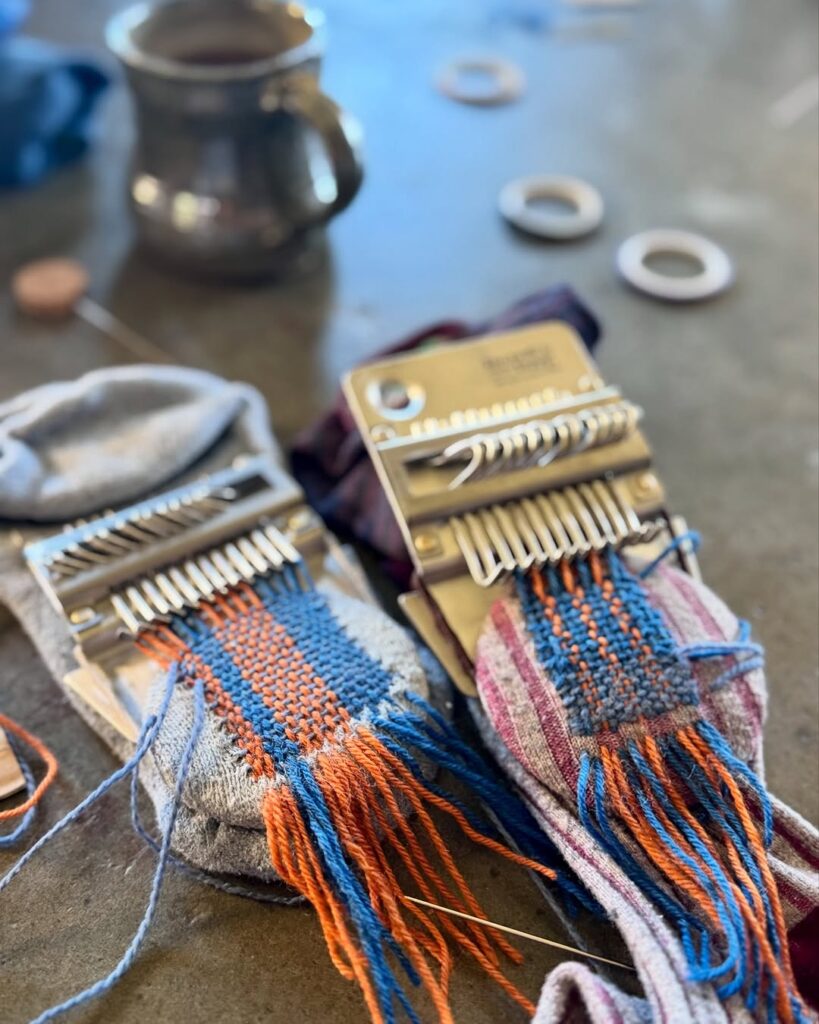
💡 Pro Tip for Work-Life Balance:
Achieving balance isn’t just about adjusting your schedule. Engaging in hobbies and crafts: like sewing, embroidery, or visible mending, can reduce stress, boost mindfulness, and enhance mental well-being. Many professionals are turning to visible mending workshops for a creative, low-pressure way to unwind. This Mental Health Awareness Week, carving out time for these activities is a simple step toward resilience and better mental health.
Using Data to Guide Decisions
Data-driven insights are helping HR teams make more informed staffing decisions. By analyzing surgical volumes, peak demand periods, workforce trends, and other factors, organizations can anticipate needs before they become critical. This proactive approach allows for better scheduling, improved resource allocation, and fewer last-minute adjustments. When staffing aligns more closely with demand, surgeons are less likely to experience overwhelming workloads.
Improving Support Systems
Reducing burnout isn’t just about staffing numbers. It’s also about the environment in which surgeons work. HR leaders are focusing on creating stronger support systems that address both professional and personal needs. That can include administrative assistance, mental health resources, and opportunities for professional development. When surgeons feel supported in all aspects of their work, they’re more likely to remain satisfied in their roles.
💡 Creative Self-Care Tip:
Encouraging creative practices outside work can be as important as professional support. Crafts like visible mending foster mindfulness, reduce anxiety, and even create a sense of community. Many high-stress professionals, including surgeons, find that these workshops provide a therapeutic break that helps them return to work refreshed and focused.
Strengthening Collaboration
Effective collaboration between HR, clinical leadership, and staffing partners is essential for long-term success. By working together, these groups can develop strategies that align with both organizational goals and clinicians’ needs. Open communication helps ensure that staffing plans are realistic, responsive, and sustainable. It also fosters a culture where feedback is valued and continuous improvement is encouraged.
Effectively Reducing Surgeon Burnout

HR leaders are playing a vital role in addressing the challenges of surgeon burnout. By rethinking recruitment, embracing flexibility, and using data to guide their decisions, they’re helping to break the burnout loop and build more resilient surgical teams. As healthcare continues to evolve, these strategies will become even more important. With the right approach, facilities can support their surgeons more effectively, improve patient care, and create a stronger foundation for the future.
💡 Mindful Crafting Bonus:
Incorporating creative hobbies such as visible mending can complement these professional strategies by promoting mental well-being. Small, mindful practices outside work not only improve mood but also support long-term resilience, making busy professionals more effective and fulfilled.
This is a collaborative post.
 Part One: the firework repair method

Leave a Reply