
It’s a shame, but there’s a bit of a tendency to make what should be a simple workout into something a lot more complicated and arduous, and that even extends to the nutrition you need to get right before and during a workout to ensure you’re really going to feel the benefits from it. After all, take a quick look online and you’ll see endless advice about timings, ratios, routines, and more, and it can all feel like you’ve got to come up with a full, strict plan even if you only want to go for a run or lift a few weights.
In reality, of course, supporting your body before and during a workout really just comes down to a few simple things – you need enough energy to get through it, enough hydration to stay comfortable, and a bit of awareness about how your body responds on that particular day because it won’t always feel the same. With that in mind, keep reading to find out more.
Eating Before You Train
What you eat before you train can determine how the whole session will go, even if you don’t think you’re making any difference one way or another. The fact is, however, that going in completely empty can leave you feeling pretty sluggish, but on the other hand, eating too much or eating too close to your workout can also leave you feeling uncomfortable.
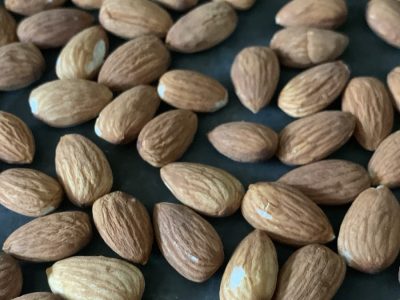
Something light and easy to digest tends to work best, and that might be a banana, some oats, or some kind of small snack with perhaps nut butter that gives you a steady release of energy rather than a quick spike which can disappear just as quickly, and usually when you need it most.
For anyone who wants to add a bit more structure, a small serving of vegan protein powder can be very useful as well, especially if you want to help your muscles recover. The best part is, it’s so easy to prepare and very quick, so you’ll always be able to fit it in, even if you’re in a rush or don’t have a lot of time to spare.
Hydration Is Essential
It sounds obvious, but it’s still important to point out how crucial hydration is, mainly because it’s one of the first things that gets forgotten when things get busy. That’s because you’re not always going to notice that you’re dehydrated immediately, especially as by the time you feel thirsty, you’re already dehydrated, but the truth is that even a slight drop below ideal hydration can affect how you feel and even how you move, as well as how long you can keep going for.
It’s best to drink water before you start and then keep it nearby while you work out – that can make everything feel better and you’ll run less of a risk of becoming unwell or having to stop your workout before you get any benefit from it. Basically, if you drink enough water, you’re a lot less likely to feel heavy, tired, or distracted halfway through.
Listen To Your Energy Levels
Not every workout has to be an intense one, and not every day is going to match the last one. The truth is that some days you’ll feel strong and focused and other days it’ll feel more like you’re dragging yourself through it just to get to the end.
That’s normal, but it’s important to actually pay more attention to how you’re feeling rather than sticking to a rigid plan that you just can’t deviate from. For example, if your energy is low, it could be worth slowing things down or adjusting what you’re doing rather than pushing through and ending up exhausted.
Keep Things Steady During The Workout
For most workouts, especially the shorter ones, you don’t really need all that much in terms of fuel while you’re exercising – water is usually enough, and focusing on steady movement and breathing is what’s going to get you through.
Longer sessions are a bit different, however, and if you’re training for endurance or spending more time exercising, small amounts of fuel can help maintain your energy levels. You’ll need to work out what’s best for you, but whatever you choose, it needs to be something that’s easy to eat that keeps you going but that doesn’t interrupt the flow of your workout.
Avoid The Mid-Workout Drop
That sudden dip in energy during your workout happens, but even though we know it happens, it can still really catch you off guard. One minute you’ll feel totally fine, and the next everything feels a lot harder, and although you might just assume it’s the way things happen, sometimes it could be linked back to what you did before you started, whether that’s not drinking enough water, or not eating enough (or not eating the right food).
If you can keep things consistent it can help avoid the problem altogether. That’s why it’s wise to have a light meal before you start, keep hydrated, and pace yourself properly – all of that can make the session feel like you’re actually getting somewhere rather than just punishing yourself.
Keep Recovery In Mind While You Train
It’s easy to think about recovery as something that happens afterwards (because it does, technically), but it actually starts during the workout itself, and that’s the thing that can confuse people. The fact is, how hard you push, how well you hydrate, and how your body feels throughout it all determine how you’ll feel later on.
If you’re completely drained by the end, it usually means something wasn’t quite right along the way, and supporting your body properly before and during helps you finish feeling like you’ve worked hard, but you’re not completely wiped out.
Make A Routine That Feels Natural
There’s no perfect formula that works for everyone, every time, and trying to follow something too strict can make things feel harder and it’s less likely you’ll keep up with regular exercise as a result.
What you need to do is find what works for you, which could be a simple snack before you start and having a specific water bottle that’s just the right size with you, for example. Over time, you’ll end up with a routine that gives you the results you’re looking for without causing you any major discomfort.
This is a collaborative post, allowing me to continue to create valuable content for my readers for free.
 How to Freeze Knitwear to Kill Moths (and Protect Your Favourite Jumpers)

Leave a Reply