

There is something timeless about walking into the woods with everything needed on your back. No reservations, or power outlets, just trees, sky, and the thrill of the unknown.
Wild camping, once seen as a pursuit for seasoned explorers, is now calling out to new adventurers. And rightly so. It is a chance to unplug, breathe fresh air, and find peace in places where the road does not go.
But stepping into nature without structure does not mean stepping in unprepared. Here is a simple guide to help make that first wild camping trip both exciting and safe.
Finding the Right Spot
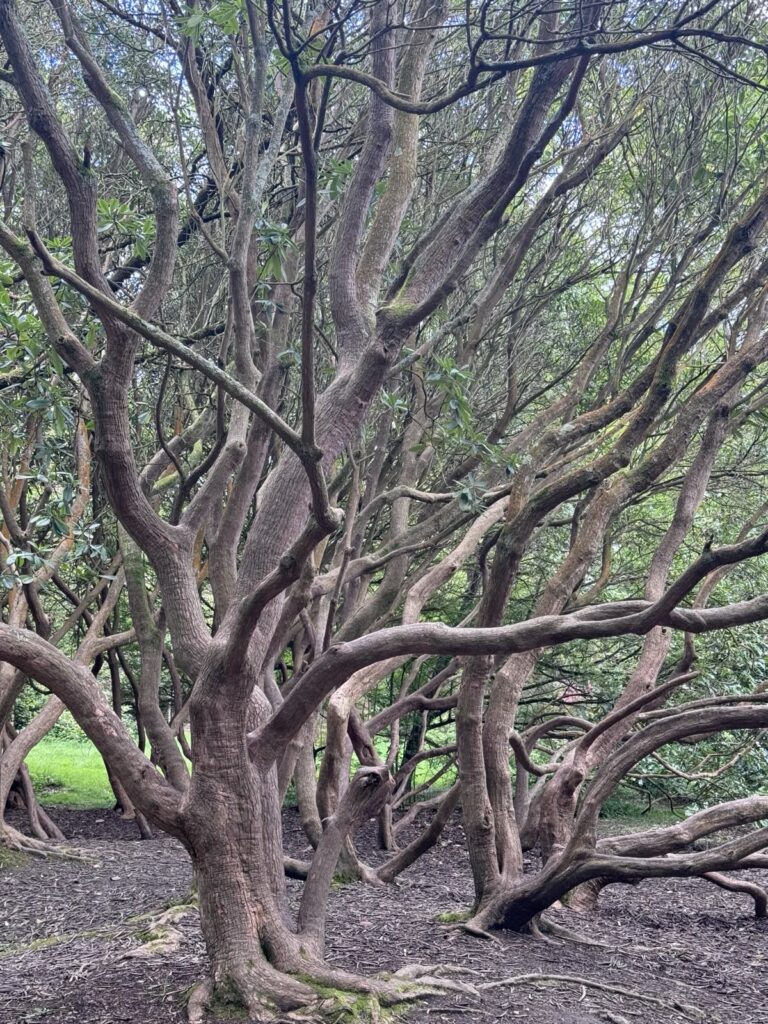
Where you camp can make all the difference. Beginners should choose a location that isn’t too remote, close enough to the trailhead for easy access, but still far enough to feel like you’re away from it all.
Look for public lands that allow dispersed camping. National forests and certain wilderness areas are great options. However, always check local regulations. Wild camping is not legal everywhere, and rules vary depending on the region.
Stick to flat, dry ground, away from water sources and animal trails. A bit of research goes a long way. Read maps, check the weather, and use apps that offer offline navigation tools. Most importantly, don’t forget to let someone know the general area before heading out.
Gearing Up Without Going Overboard
Packing for wild camping is all about balance. Carry too little, and risk discomfort. Carry too much, and the weight steals the joy.
Here’s a simple starter checklist:
● Lightweight tent or bivvy sack
● Compact sleeping bag and mat
● Cooking gear: small stove, fuel, mess kit
● Weather-ready clothing and trail shoes
● Navigation tools (map or compass) and tell someone where you plan to be
● Battery pack for your phone
Beyond this, one thing people often forget, but quickly realise they need after dark, is a headlamp. When darkness falls in the wild, it’s not just dim: it’s pitch black. That’s where headlamps prove their worth. Whether you’re setting up camp, walking to a stream, or finding your way back to the trail, they keep your hands free and your path clearly lit. Just choose a rechargeable model with adjustable brightness. Also, look for red light modes, which help preserve night vision while being gentler on wildlife.
Food, Water, and Fire: Keeping It Simple
Wild camping is not the place for gourmet meals. Think easy, quick, and light. Pack dehydrated meals, energy bars, and instant porridge oatmeal. A small pot, portable stove, and spork can handle most cooking needs. Always store food away from the sleeping area, preferably hung from a tree or in a bear-proof container.
As for water, never assume it is safe. Bring a filter, purifier, or treatment tablets. Streams might look clear, but they can carry harmful bacteria.
Additionally, campfires can be tricky. Many regions ban open flames during dry seasons. Stick to a stove unless fires are allowed and safe. If building one, keep it small and controlled, and fully extinguish it before sleeping or leaving.
Reading the Weather and Packing Smart
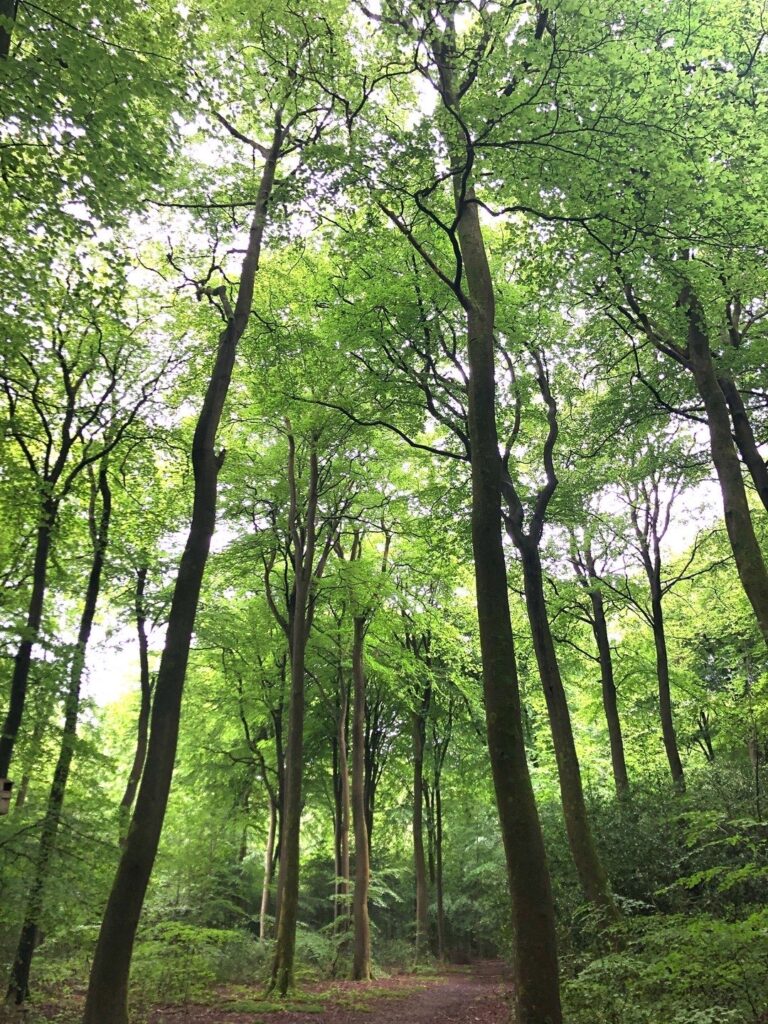
Nature doesn’t care about weekend plans. So, always check the weather before the trip, and then again, just before leaving.
Pack in layers. Start with moisture-wicking base wear, add an insulating layer like fleece, and finish with a waterproof shell. Conditions can shift fast, especially in mountains or forests.
Quick-dry fabrics are your friend. Cotton stays damp and can chill the body quickly. Do not forget a rain cover for your backpack. Wet gear can weigh double and feel like a nightmare.
Staying Safe and Comfortable
Safety comes down to preparation and awareness. Keep a basic first aid kit handy. Know how to treat blisters, small cuts, and bug bites.
Watch for wildlife. Avoid wearing scented lotions or soaps, and do not leave trash behind. Bears, raccoons, and even curious squirrels can become a problem if attracted by leftovers.
Also, bring a whistle, keep a flashlight, and avoid risky terrain after dark. Comfort adds joy to the journey, so include a compact pillow, soft socks for sleeping, and insect repellent. Remember, small things make a big difference.
Additional Tips: Embrace the Unknown
The first trip may not go perfectly. But that is part of the adventure. A tent pole might snap, the food might taste bland (pack some salt!), or sleep may come late.
Yet those things do not matter as much as the sunrise breaking through the trees, or the silence that greets the morning. So, take time to slow down. Look up at the stars. Scribble thoughts in a notebook. It is not just a trip, it is a moment outside the usual world.
Conclusion
Stepping into the woods may feel unfamiliar at first. But with a bit of planning and an open mind, it can be unforgettable. Wild camping does not ask for perfection. Just a sense of curiosity, and the courage to take that first step.
This is a collaborative post.
 10 creative ways to repurpose Burlap Coffee Sacks into beautiful, covetable products

Leave a Reply